Fireplace Inserts & Upgrades California
You need a California chimney sweep and fireplace repair company that's code-compliant, safety-first, and straightforward. We clean to NFPA 211 with HEPA containment, clear out creosote, inspect dampers, and document everything with photos. Our certified inspections, masonry repairs, and UL-listed liner upgrades enhance draft, protect against water intrusion, and meet California Mechanical and Fire Codes. We also commission inserts, fix draft/odor issues, and offer flat-rate scopes with permits when required. Keep going to see our service options, rates, and service areas.
Essential Points
- CSIA/NFPA 211 chimney cleaning services, including comprehensive creosote elimination, with HEPA containment systems and comprehensive Level I through III assessments with photo documentation and structured repair planning.
- Safety and regulatory compliance: California Mechanical, Building, and Fire Code inspections, carbon monoxide safety checks, required permits, and comprehensive invoices with full cost transparency.
- Brick repair and waterproofing solutions: including crowns, caps, flashing, tuckpointing, historic mortar matching, and vapor-permeable waterproofing.
- Liner replacement and modernization: UL-listed stainless components with thermal protection, airflow and burn efficiency testing, advanced control systems, heating inserts, and animal-resistant vent covers.
- We provide service in the Greater LA area, Orange County, Inland Empire, and portions of Ventura and San Diego Counties, including convenient online booking, emergency response, and seasonal service options.
Complete Chimney Cleaning Solutions
Schedule routine chimney maintenance to keep your system safe, efficient, and up to code. You'll minimize fire hazards, improve airflow, and shield nearby building components from corrosive accumulation. Qualified specialists employ correctly sized cleaning tools to sweep chimney liners, thoroughly contain debris, and record inspection findings. Specialized creosote removal techniques target both glazed and loose deposits using appropriate mechanical or chemical solutions while protecting the condition of clay, metal, or cast-in-place liners.
Professionals clean accumulated deposits from shelves, walls, and connecting parts, then use HEPA-filtered vacuum systems to contain loose particles. Specialists inspect damper operation, eliminate obstacles, and fit chimney caps to prevent moisture and pest access while maintaining proper ventilation. You'll also get recommendations for burning methods and fuel moisture to slow buildup between visits, extending component life and preserving dependable function.
Code Compliance and Safety Inspections
Arrange for annual chimney evaluations to assess clearances, venting, and structural integrity per NFPA 211. We carefully note problems and verify draft and examine connectors to make sure your system complies with California Building and Fire Code requirements. Based on our thorough inspection report, you can prioritize necessary repairs and ensure legal and safe system operation.
Regular Chimney Safety Evaluations
Many homeowners overlook yearly chimney inspections, which are essential safety precautions that verify your chimney's status, safety clearances, and building code adherence before winter arrives. You should schedule a Level 1 inspection yearly, or Level 2 following system modifications, chimney relining, or property sales. A qualified inspector will examine visible elements, confirm proper flue sizing, examine vent terminations, assess the condition of masonry and metal components, and record problems that raise fire or carbon monoxide risk.
When scheduling your inspection, make sure to coordinate the appointment with your maintenance schedule: start with sweeping if creosote accumulation surpasses Stage 1, then conduct camera inspection where required. The technician will examine thimble connections, smoke chamber interfaces, damper functionality, and clearances to combustibles. You'll be provided with a detailed documentation containing priority maintenance items, inspection photos, and recommended service intervals.
Local Code Compliance
After receiving inspection results, ensure all repairs and maintenance comply with building, fire, and mechanical regulations to keep the system legal and safe to operate. Confirm that combustible clearances, hearth specifications, and chimney heights comply with existing regulations. If replacing venting elements, verify approved parts are compatible with the specific appliance and venting requirements.
Always check permit regulations with your local authorities before beginning the project; numerous municipalities need permits for chimney relining, reconstructing crowns, fitting gas logs, or modifying vent systems. Review setback codes for exterior outlets, spark arrestors, and roof penetrations, specifically near property lines and neighboring structures. Ensure required seismic bracing, anchorage, and spark containment. Document installations with pictures, components, and test reports. Schedule final inspections, fix deficiencies immediately, and preserve records for insurance requirements and real estate declarations.
Masonry Repair and Restoration
We'll address typical masonry issues-like spalling brick, cracked crowns, failed mortar joints, and damaged flue tiles-applying ASTM-compliant materials and adhering to NFPA 211 standards. We'll ensure proper repointing with specialized mortar blends for historic brick to prevent damage from excessively strong compounds. You'll revitalize structural strength and weatherproofing while protecting original appearance and complying with local California building codes.
Common Masonry Problems
Signs of masonry distress include cracks, spalling, and loose mortar that show serious chimney issues affecting structural integrity and safety standards. You should book an expert assessment (Level I or II) to assess structural issues, water penetration, and temperature-related movement. Complete a thorough mortar assessment to identify mortar condition, joint integrity, and compatible materials prior to repointing. First address water infiltration issues: restore compromised flashing, cap, and crown components; then proceed with selective tuckpointing using ASTM-approved mortar. Removing efflorescence is essential: dry-brush surface salts, ensure proper water management, and stay away from acid-based products that could harm masonry and metal elements.
Examine flue tile offsets, wash cracks, and firebox gaps; such defects can release heat and combustion gases, not complying with NFPA 211. Install new bricks where damaged, reposition unstable components, and seal porous masonry with breathable siloxane sealant. Complete using smoke-chamber parging and a code-rated cap.
Classic Brick Restoration
The first step in historic brick restoration is addressing moisture-related and structural concerns. Commence with a comprehensive condition assessment: document deterioration, salt deposits, and structural shifts, then evaluate the stability of the foundation, firebox, and chimney. Next, carefully match appropriate materials and period-specific mortar using microscopic examination and ASTM C270 standards, avoiding excessive Portland cement content that could deteriorate soft brick. Manually clean out the joints, repoint to match original profiles, and reinstall arched lintels with correct bearing, stainless steel anchors, and shims. Switch out only deteriorated bricks with matching salvage materials. Install through-wall flashing, drip edges, and vapor-permeable sealants. Verify safety distances to combustibles according to NFPA 211, rebuild caps and crowns, and incorporate weeps. Maintain detailed records of and cure times for regulatory review.
Chimney Liner Services: Replacement and Enhancement
Although liners are typically hidden, they are vital in maintaining safety standards and optimal performance. When your flue is damaged, oversized, or incompatible with your appliance, we recommend appropriate relining that meets code requirements. We provide installation of UL-approved stainless liners and sized according to NFPA 211 and manufacturer specifications, maintaining optimal airflow and decreasing creosote buildup. We enhance performance with thermal insulation—using wrap or pour methods—to establish correct spacing to combustibles, improve draft consistency, and safeguard your masonry from harmful acidic condensates.
We evaluate components, clearances, and chimney height, then use camera inspection to check for issues and verify standards. We swap out damaged clay tiles, fix offset joints, and fit insulated thimbles and protective boots. We also seal crowns and finish with an approved cap and weather collar to block moisture infiltration and creature entry, ensuring safety and optimal operation.
Modern Fireplace Solutions for Enhanced Efficiency
When it's time to modernize your hearth, we focus on code-compliant upgrades that improve safety, efficiency, and functionality. We review appliance listing, venting compatibility, and clearance to combustibles, before selecting certified components and necessary permits in accordance with California Building Code and AHJ standards.
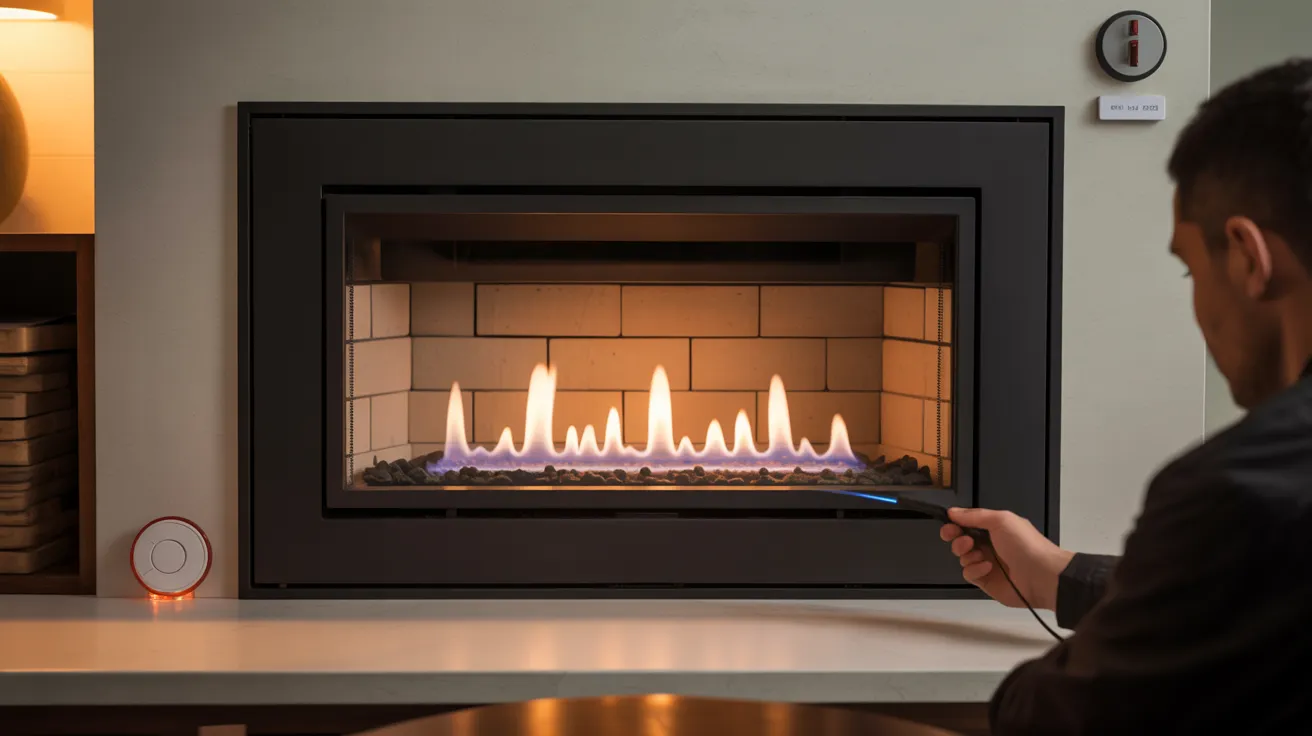
You can improve performance with airtight, energy efficient inserts sized to your flue and room load, delivering higher AFUE and decreased emissions. We professionally fit stainless steel insulated liners, outdoor combustion air systems, and high-performance glass doors to maintain consistent burning and decrease heat loss. For precision control, we implement smart thermostat integration with approved gas control valves, ECM blowers, and reliable spill and CO monitoring. We verify draft, manifold pressure, and combustion via analyzer, then log installation details, create maintenance schedules, and identify shutoff locations for safety.
Resolving Drafts, Odors, and Smoke Problems
Before smoke residue or unpleasant odors signal issues, diagnose airflow and combustion problems with a systematic inspection of the complete ventilation pathway. Verify chimney-to-roof height proportions, spacing requirements, and outlet positioning per state mechanical regulations and fire safety standards. Check damper functionality, flue sizing, and pipe angle. Test airflow using pressure equipment; resolve air pressure issues by introducing fresh air supply or adjusting ventilation.
Clean out deposits and debris; swap out warped baffles. Fix spaces at the throat, smoke chamber, and chase with appropriate sealing materials. Install a appropriate cap and protective screening. Tackle odor by fixing moisture issues and enhancing air flow; employ Air purifiers as a additional solution, not a alternative for primary repairs. Check CO levels, confirm detectors, and record corrections.
Clear Service Pricing and Process Overview
Because clarity prevents surprises, we provide scope-based pricing tied to standardized tasks and compliance standards. You'll get precise cost estimates following NFPA 211 standards and California Mechanical Code requirements, instead of ambiguous pricing. We define each step: thorough inspection protocols, removal of combustible buildup, smoke chamber restoration, cap or crown repair, flue system assessment, and security enhancements.
We start with a comprehensive inspection documentation, photo evidence, and a written scope that specifies labor, materials, and compliance requirements. You sign off on the work only after reviewing the scope. During service, technicians follow manufacturer specifications and pull permits when required. After completion, we provide you with comprehensive invoices that correspond to the approved scope, plus a comprehensive summary with before/after images, safety clearance documentation, and upkeep suggestions. No unexpected charges, no extra sales-just verified, compliant outcomes.
Coverage Areas and Appointment Information
Having explored how our scope-based pricing and permit-ready workflows keep projects compliant, now here's where and how to book us. We cover the major regions of Southern California, from LA to San Diego, including Orange County and the Inland Empire. Enter your ZIP to confirm coverage and specific HOA requirements and fire regulations. We offer mobile appointments with professional crews, safety-certified vehicles, and HEPA-standard protection.
Make your booking online or by telephone. You can choose the inspection type (CSIA Level I-III), service add-ons, and scheduling preferences. Availability varies based on burn bans and air-quality advisories; winter slots book up fast, so schedule in advance. We provide pre-arrival safety information, proof of insurance, and technician credentials. You'll receive a written scope, NFPA 211 compliance documentation, and permit information. Urgent cases are prioritized within safety regulations and site constraints.
Popular Questions
Is Emergency Chimney Service Available Outside Standard Hours?
Indeed, we provide emergency chimney services beyond standard operating times. We offer 24/7 availability with immediate after hours assistance for chimney fires, flue blockages, carbon monoxide risks, and structural hazards. You'll reach a certified technician who adheres to NFPA 211 and IRC guidance, performs ventilation checks, records clearances, and identifies unsafe appliances. We address immediate concerns, reduce draft and creosote hazards, and arrange compliant follow-up repairs. Contact us right away if you detect smoke, soot, or gas.
Can You Work With Historic Landmark Properties and Preservation Requirements?
We can absolutely handle your historic landmark project. We'll deliver period accurate restorations that meet local, state, and Secretary of the Interior Standards. We carefully choose heritage compliant materials, confirm compatibility with existing masonry, and record methods for preservation boards. We coordinate permits, draft shop drawings, and perform non-invasive inspections. Our technicians follow NFPA 211 and IRC/IMC requirements, maintain fire-safety clearances, and install concealed liners or dampers without compromising character-defining features. You'll get compliance reports and warranties.
What Professional Certifications and Insurance Do Our Technicians Maintain?
Our technicians maintain industry-recognized certifications, including North American Technician Excellence certification for HVAC-related venting and Chimney Safety Institute of America or comparable chimney credentials. They maintain OSHA standards and adhere to NFPA 211 guidelines and local code requirements. You're protected by comprehensive liability insurance and workers' compensation coverage. Our team members properly record permits, execute PPE-compliant site inspections, and provide detailed inspection reports with visual evidence. Furthermore, they complete annual continuing education to maintain active certifications and ensure code-compliant, safety-first service.
Are Maintenance Plans and Annual Service Memberships Available?
You can sign up for preventive maintenance packages and membership options that feature annual system evaluations, NFPA 211-compliant cleanings, and priority repair scheduling. You'll receive comprehensive safety assessments, ventilation and combustion analysis, and safety-standard suggestions for liners, caps, and clearances. We provide camera surveys when required, send reminders before heating season, and guarantee favorable pricing. These plans help reduce dangerous residue, CO dangers, and chimney wear, ensuring compliance with warranty and insurance standards.
Will My Fireplace Work with Low-Smoke, Eco-Friendly Fuel Alternatives
Absolutely - when your unit is certified for alternative fuels. Similar to fine-tuning an instrument, you need to pair the correct fuel with your appliance. Be sure to verify the manufacturer's guide and UL/ANSI listing for compressed wood or biofuel pellets. Pellet-burning units require appropriate hoppers, augers, and ASTM/UL-compliant venting; traditional fireplaces generally cannot safely burn pellets. Verify that chimney draft, carbon monoxide detectors, and clearances comply with code requirements. Once verified, select low-ash fuels, store them properly, and arrange annual service checks for safe operation.
Wrapping Up
As here the embers settle into a steady glow, you'll notice the confidence of a standards-compliant, clean-running system. Your ventilation performs optimally, maintaining proper seals, masonry set plumb and sound. Zero smoke leakage, no unwanted air flow-just efficient, consistent heat. From safety compliance checks to precision repairs, every process adheres to professional guidelines and local codes. You get transparent costs, scheduled on your terms, and documented results. Feel confident, fire safe, and appreciate a fireplace that performs as reliably as it warms.